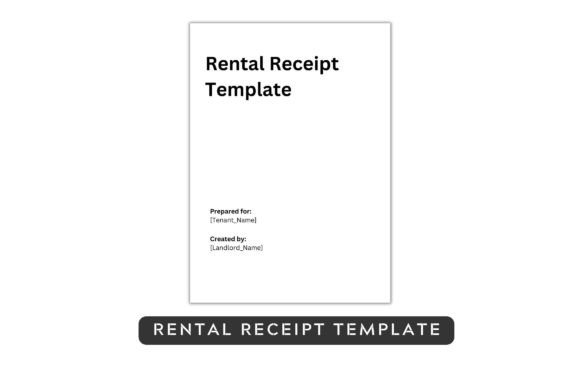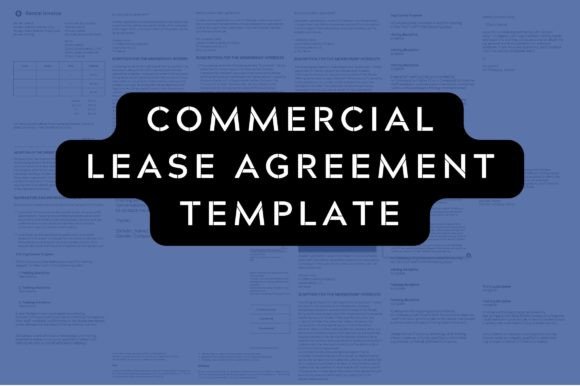
Commercial Lease Contract Word Canva Graphics
As a graphic designer who’s built brand identities for boutique studios, local co-ops, and Etsy-based handmade businesses over the past 12 years, I approach every design asset with one question: Does this serve the client’s voice—not just fill space? When I opened Commercial Lease Contract Word Canva, my first impression wasn’t about fonts or colors—it was about tone. This isn’t a sleek, corporate legal document template. It’s a warm, approachable, editable contract framework designed for small business owners who need clarity without cold formality. The visual rhythm feels grounded—balanced spacing, clear typographic hierarchy, and subtle decorative cues that nod to professionalism while keeping things human.
I recently used it for a client launching a shared creative studio in Portland—a hybrid coworking + craft workshop space targeting makers, educators, and indie designers. Their brand voice is “thoughtful but not stiff,” “structured but soulful.” That’s where Commercial Lease Contract Word Canva stepped in: not as a final deliverable, but as a foundational creative design element we adapted into branded onboarding kits, printable lease addendums, and even social media graphics explaining studio policies. Its editable structure let us preserve legal integrity while weaving in their custom color palette, logo lockups, and hand-drawn accent elements.
Where This Graphic Design Asset Shines in Real Client Work
Commercial Lease Contract Word Canva excels when you’re building cohesive, print-ready systems—not one-off graphics. It works exceptionally well for:
- Printable design bundles for Etsy sellers offering landlord-tenant resources or small business toolkits;
- Packaging design for physical starter kits (e.g., “Lease Ready” boxes for new tenants);
- Social media graphics breaking down lease terms visually—think Instagram carousels or Pinterest-friendly infographics;
- Brand identity extensions, especially when paired with complementary SVG design or PNG design assets like checkmarks, signature lines, or minimalist icons;
- Cricut project integration—cutting clean vinyl versions of key clauses for wall-mounted studio guidelines or laminated desk references;
- Website graphics and blog visuals supporting content around small business leasing, tenant rights, or commercial real estate literacy.
In our studio launch project, we dropped sections of the Commercial Lease Contract Word Canva into Canva templates for digital signage, then exported them as high-res PNGs for lobby displays. The clean margins and consistent baseline alignment made resizing intuitive—and crucially, kept text legible at 36" wide.
Where Caution Is Essential
This isn’t a universal fit. Avoid using Commercial Lease Contract Word Canva in contexts demanding razor-thin minimalism or strict corporate governance aesthetics. It doesn’t translate well to:
- Ultra-small applications like business card footers or app UI tooltips;
- Crowded layouts where its structured grid competes with dense imagery or layered textures;
- Projects anchored in monochrome serif typography or ultra-sleek sans-serif systems—it leans gently toward friendly modern design, not austerity;
- High-stakes legal branding where visual neutrality is non-negotiable (e.g., law firm white papers or regulatory compliance docs).
We tested it against a client’s existing brand system—built on a tight Helvetica Neue + Garamond pairing—and found the default styling needed light customization to avoid tonal dissonance. A quick font swap and line-height tweak preserved readability while honoring their established visual hierarchy.
Designer Notes You Can’t Skip Before Client Use
Before dropping Commercial Lease Contract Word Canva into any commercial design, run these checks:
- Test in black and white—verify contrast holds on photocopies or grayscale printouts;
- Preview on both light and dark backgrounds, especially if repurposing for web banners or email headers;
- Scale it down to 25% and up to 200%—watch for pixelation, kerning collapse, or awkward line breaks;
- Drop it onto realistic product mockups: desk pads, tablet screens, framed prints—to assess emotional resonance;
- Run a test print on your target paper stock (matte vs. glossy, 80gsm vs. 120gsm) to confirm sharpness and bleed control;
- Confirm file formats included: If SVG or vector layers are promised, open in Illustrator to verify editability—not just “vector-looking” raster exports;
- Compare type behavior across serif, sans-serif, script, and display fonts—if you plan to layer custom headlines or subheads;
- Verify commercial license scope: Does it cover resale in your digital product? Print-on-demand? Client-branded derivatives? Never assume.
For our studio client, this meant re-exporting the Canva template as a PDF/X-4 for professional printing, swapping placeholder logos with vector assets, and adding a discreet copyright line aligned with their brand guidelines—all possible because the original Commercial Lease Contract Word Canva delivered clean layers and editable text blocks.
A Strategic Creative Asset—Not Just a Template
Treat Commercial Lease Contract Word Canva as what it is: a versatile graphic design asset with quiet narrative power. It supports trust-building in small business branding by making complex agreements feel accessible—not diluted. When paired thoughtfully with other design assets—sublimation design for tenant welcome mugs, sticker design for lease renewal reminders, or t-shirt design for studio team merch—it becomes part of a larger, emotionally intelligent creative marketplace strategy. For designers serving makers, local entrepreneurs, and values-driven brands, this isn’t filler. It’s functional storytelling—with room to breathe, adapt, and resonate.