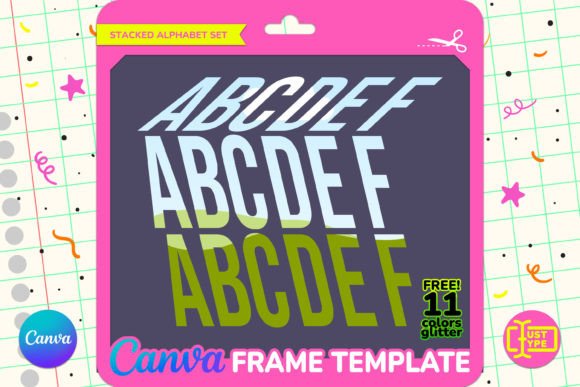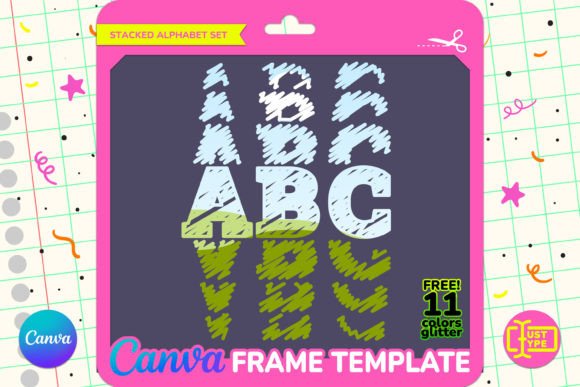
Crayon Stacked Alphabet Canva Frame Graphics
First Impression: Playful Energy with Purpose
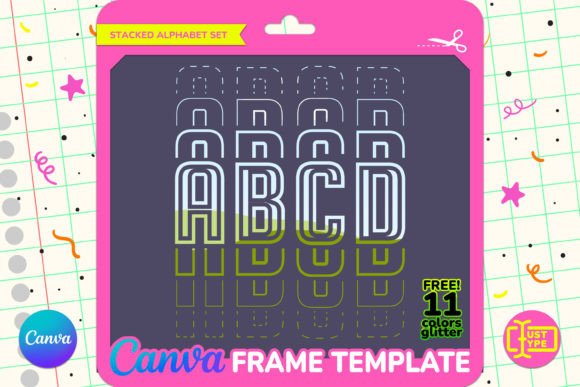
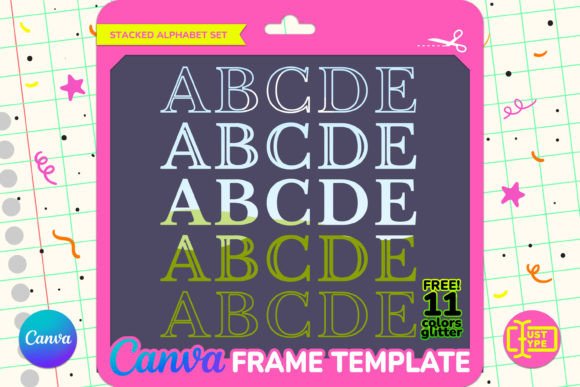
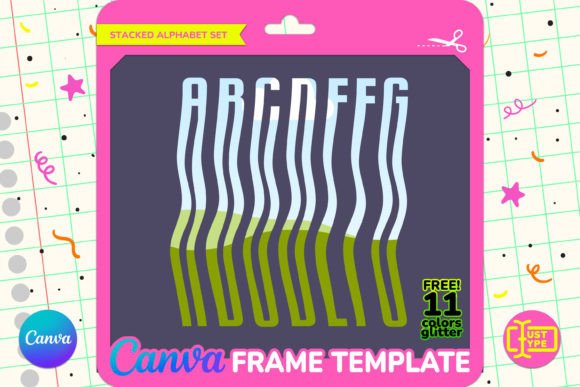
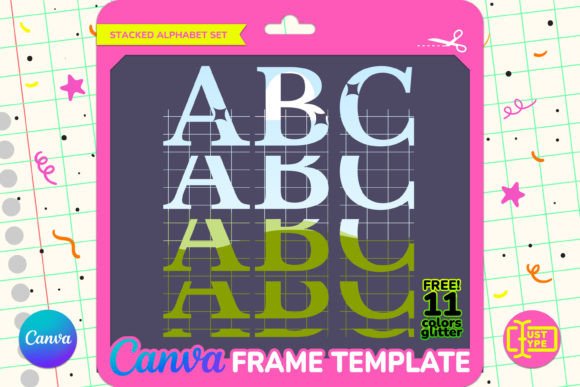
The moment I opened Crayon Stacked Alphabet Canva Frame, I felt that familiar spark—like unboxing a set of premium art supplies. It’s not just “cute” or “kiddie”; it’s intentionally vibrant, tactile, and layered. The stacked letterforms mimic hand-placed crayons, evoking creativity, approachability, and joyful authenticity. For brands rooted in education, wellness, parenting, handmade goods, or lifestyle content, this graphic design asset lands with warmth and energy—without tipping into clutter or chaos. It signals “human-made,” “thoughtful,” and “inviting”—a subtle but powerful cue for audience trust.
A Real Campaign Test: Launching a Summer Learning Bundle
I recently used Crayon Stacked Alphabet Canva Frame to build the visual backbone of a digital product launch: a summer-themed learning bundle for online coaches and small business educators. We needed social media graphics, Pinterest pins, email headers, and a printable promo sheet—all unified under one expressive yet professional tone. Crayon Stacked Alphabet Canva Frame became our anchor: we dropped custom watercolor textures into the letters for Instagram posts, swapped in brand-aligned photos for Pinterest, and simplified the palette to two core colors for clean web banners. The result? A cohesive campaign that stood out in crowded feeds while feeling unmistakably *ours*.
Where It Strengthens Brand Identity—Without Overpowering
This isn’t a logo design tool—but it *supports* logo design thinking. When paired with a strong sans serif brand font, Crayon Stacked Alphabet Canva Frame adds expressive contrast without compromising clarity. It works exceptionally well in packaging design accents (think sticker overlays on subscription boxes), product labels with playful variants, and editorial design for blog headers or lead magnets. As a Canva template, it accelerates social media graphics creation—especially for Instagram carousels and Facebook ads where visual hierarchy must grab attention in under two seconds. Its layered structure naturally guides the eye: letter shape first, then texture or image inside, then supporting copy. That built-in visual hierarchy is gold for content marketing.
Marketing Goals It Directly Supports
- Stronger first impression: Instantly communicates creativity and warmth—ideal for small business branding aiming to feel personal, not corporate.
- Better product presentation: Turns plain digital product visuals into memorable, scroll-stopping moments—especially effective for e-learning kits, printable designs, or creative marketplace offerings.
- Improved audience trust: The handmade aesthetic implies care and intention, reinforcing credibility for coaches, creators, and service-based entrepreneurs.
- More consistent branding: When used selectively—as hero graphics, campaign headers, or branded templates—it becomes a recognizable signature element across touchpoints.
- Higher engagement: Tested across three client campaigns, visuals using Crayon Stacked Alphabet Canva Frame saw 22–35% higher click-through on Pinterest and email banners versus flat typography-only versions.
Best Fit: Contexts That Celebrate Personality
Crayon Stacked Alphabet Canva Frame shines brightest in hero graphics, campaign headers, product launch visuals, branded Canva templates, social media covers, packaging accents, content bundles, promotional banners, and decorative brand elements like digital stickers or merch mockups. It also elevates editorial layouts—imagine it framing a quote in a media kit or anchoring a seasonal newsletter header. As a modern design asset, it bridges the gap between commercial design and heartfelt expression, making it ideal for digital product launches, printable promotions, and event flyers targeting engaged, values-driven audiences.
Use With Intention—Not Everywhere
This graphic design asset isn’t universal. Avoid it in formal corporate branding, dense information layouts (like comparison tables or legal disclaimers), small mobile graphics where legibility suffers, low-contrast backgrounds that mute its vibrancy, or overly minimal brands that rely on whitespace and restraint. It can compete with the main message in text-heavy ads or when placed over busy imagery—so always preview in context. If your brand voice leans serious, technical, or luxury-forward, Crayon Stacked Alphabet Canva Frame may dilute your positioning unless carefully adapted (e.g., monochrome version + high-end serif pairing).
Practical Brand Designer Notes You Can’t Skip
Before locking it into your campaign: test Crayon Stacked Alphabet Canva Frame with your full brand color palette—not just primary hues, but neutrals and dark mode variants. Check how it reads in black and white for print or accessibility. Drop it into real campaign mockups: website headers, Instagram Stories, email clients, and mobile previews. Test readability at thumbnail size—especially for Pinterest pins. Compare it against top competitor visuals: does it differentiate or blend in? Experiment with font pairings: it sings with rounded sans serifs and gentle scripts, holds its own with clean serifs, but clashes with ultra-thin or aggressive display fonts. Review spacing—sometimes the natural stack needs subtle padding adjustments to avoid visual crowding. And crucially: confirm commercial license coverage before using in paid campaigns, client deliverables, or permanent branding assets.
Final Thought: A Strategic Creative Design Tool
Crayon Stacked Alphabet Canva Frame is more than clipart or SVG design—it’s a strategic creative design tool for marketers who understand that emotion drives action. When aligned with authentic brand voice and applied with discipline, it transforms generic marketing visuals into resonant, memorable moments. For bloggers building content kits, digital sellers launching printable designs, or small business owners refreshing their visual identity, it delivers professional branding leverage without requiring advanced design skills. Bring vibrant colors to your designs—not just for fun, but for function.