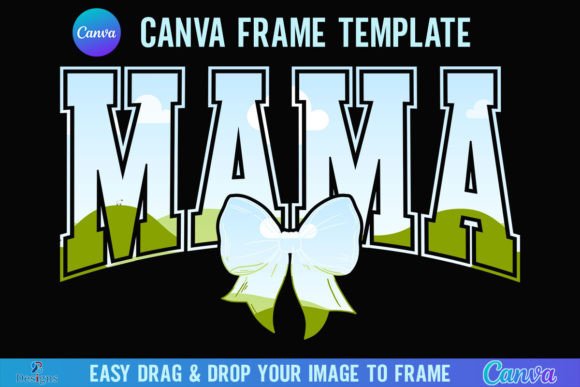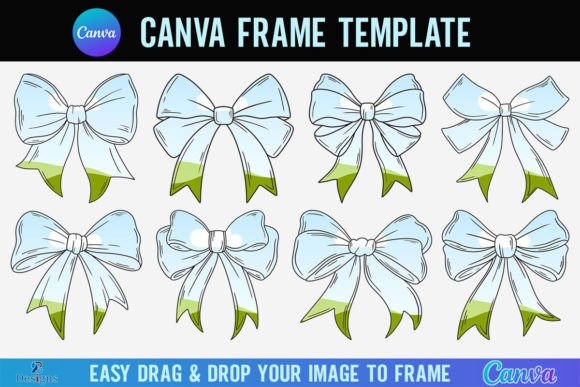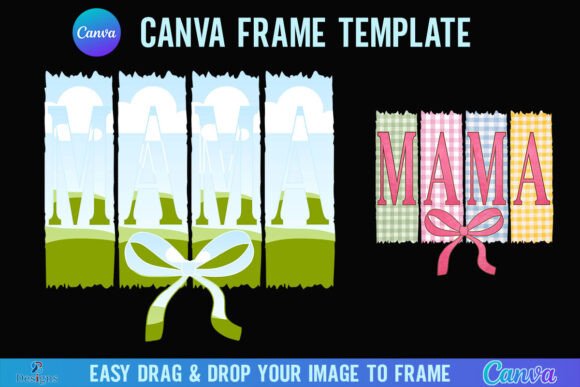
Mama Brushstroke Canva Coquette Bow
As a designer who’s stitched over 300 custom embroidery projects — from boutique baby onesies to holiday market tote bags — I opened Mama Brushstroke Canva Coquette Bow expecting charm, but what stood out immediately was its quiet confidence. It doesn’t shout. It leans in. The brushstroke “Mama” feels warm and hand-painted, not digitized; the coquette bow adds just enough playful structure without tipping into fussy. This isn’t a design that fights your fabric — it partners with it.
Last week, I used it as the centerpiece for a linen tea towel set destined for a local gift shop. The client wanted something soft but unmistakably handmade — no stock clipart energy, no overworked embellishment. Mama Brushstroke Canva Coquette Bow landed perfectly: legible at 3.5 inches wide, balanced in weight, and subtle enough that the stitching itself became part of the story. Customers didn’t just see “Mama” — they saw care in the curve of the bow, intention in the brushstroke taper.
Where This Design Truly Shines (and Where It Pauses)
Mama Brushstroke Canva Coquette Bow thrives on surfaces where texture and tactility matter. Think: heavyweight cotton tote bags, loopback sweatshirts, linen pillow covers, or organic cotton baby blankets. Its open layout and moderate stroke width give stabilizer room to breathe, and the bow’s loops hold shape well under satin stitch — no puckering, even on medium-stretch french terry.
It’s especially strong for personalized gifts. I’ve seen it stitched on newborn caps (scaled to 2.75”) with excellent clarity — the brushstroke stays expressive, not pixelated. On aprons? Yes — positioned just above the pocket, it reads as both functional and affectionate. For Etsy sellers listing embroidered kitchen towels or nursery bundles, this design bridges “handmade warmth” and “shop-ready polish” without needing extra flourishes.
That said, it’s not universally forgiving. On ultra-thin rayon challis or tightly woven silk charmeuse, the brushstroke’s natural variation can blur — the subtlety becomes ambiguity. And on dark fabrics like charcoal or navy, test your thread contrast carefully: a soft ecru or oatmeal thread lifts the design beautifully, but pale grey can disappear. Always run a test on scrap first — especially if you’re using it for commercial embroidery or small shop product lines.
Real Embroidery Behavior: What Happens Under the Needle
This isn’t a dense fill-stitch beast. Mama Brushstroke Canva Coquette Bow relies more on clean satin stitch for the bow and controlled running or split-stitch simulation for the brushstroke “Mama” — which means lower stitch density, faster sew-out, and less risk of fabric distortion. That’s a real win for craft business owners juggling multiple orders or hobbyists stitching late-night baby gifts.
I ran it on a mid-weight cotton poplin tote bag using tear-away + light cutaway stabilizer. Result? Crisp edges, zero thread nesting, and zero need for re-hooping. The bow’s inner curve stayed smooth — no skipped stitches, no tension snags. On a curved surface like a structured dad cap? I’d recommend hooping with adhesive stabilizer and reducing speed slightly around the bow’s tightest arc. Not impossible — just mindful.
For holiday embroidery or wedding gift sets, this design reads as timeless rather than seasonal — no snowflakes, no hearts, no dates. It’s versatile enough for Mother’s Day, baby showers, or “just because” keepsakes. And because it’s delivered as a Canva frame template (via PDF link), it’s easy to pair with coordinating fonts or subtle botanical accents — helpful when building printable mockups for Etsy listings or Instagram previews.
Design Integrity in Practice: Does It Feel Handmade?
Avoiding the “digital flatness” trap is where many embroidery files fail. Mama Brushstroke Canva Coquette Bow avoids it by honoring imperfection: slight taper in the brushstroke, asymmetry in the bow’s ribbon ends, gentle irregularity in line weight. When stitched, those details translate as human — not algorithmic. That builds customer trust. Buyers of handmade products don’t just want “Mama” stitched on a pillow — they want to feel the intention behind it.
It also supports brand consistency. If your shop voice is warm, grounded, and quietly confident (think: ceramic mugs, hand-dyed scarves, slow-made stationery), this design fits right in. It won’t clash with minimalist packaging or earth-toned photography. And because it’s scalable without losing character, it works equally well on a tiny embroidered patch (2”) and a bold sweatshirt chest piece (4.5”).
Practical Designer Notes Before You Stitch
- Always unzip and open the PDF first — the Canva frame templates live behind the link inside, not in the zip folder itself.
- Check whether your embroidery software recognizes the file format before importing; some Canva exports require light cleanup for machine embroidery use.
- Test on your exact fabric + stabilizer combo — especially for baby embroidery or items meant for frequent washing.
- Review small details at actual size: zoom in on the bow’s knot and brushstroke tip to confirm stitch integrity.
- Try black-and-white mockups alongside color — this design holds up well in monochrome, which matters for branding flexibility.
- Confirm licensing terms directly with the seller: Can this be used in finished products sold commercially? In digital embroidery files resold on Etsy? Clarity here protects your craft business long-term.
- Use proper thread colors — avoid matching thread too closely to fabric; contrast creates presence. A warm taupe on cream linen? Perfect. Same thread on beige cotton? Vanished.
In short: Mama Brushstroke Canva Coquette Bow isn’t flashy — and that’s its strength. It’s the kind of design that makes customers pause, smile, and say, “I know exactly who this is for.” Whether you’re stitching one custom embroidered patch or prepping fifty tote bags for your small shop launch, it delivers quiet professionalism, thoughtful execution, and real-world wearability. Just remember: great embroidery starts with smart prep — not just pretty pixels.