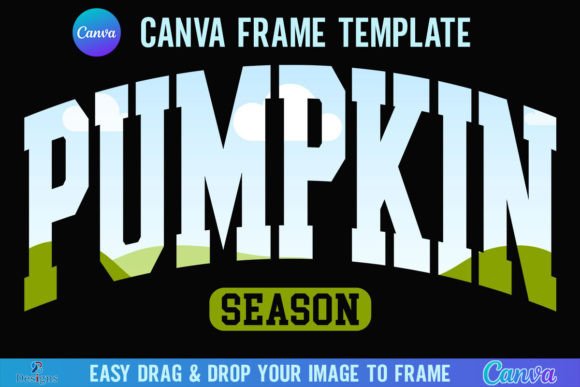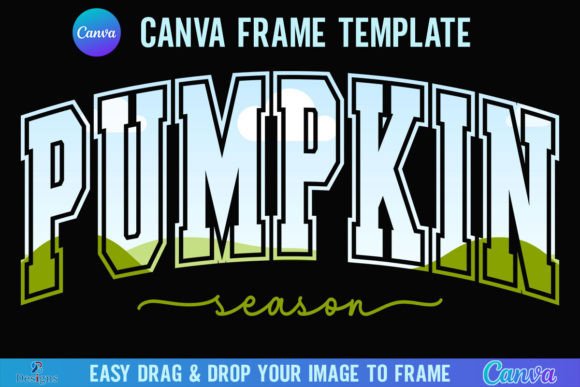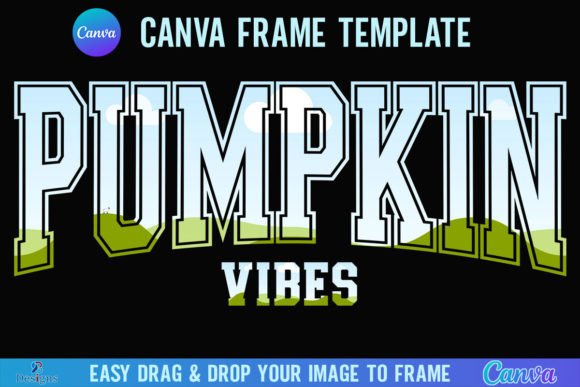
Pumpkin Canva Template
A Designer’s First Glance: Warm, Friendly, and Ready for Stitching
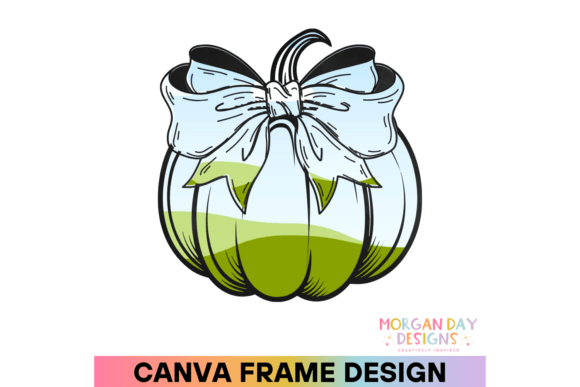
Opening the Pumpkin Canva Template feels like pulling out a well-worn sketchbook in early October—soft orange tones, gentle curves, and that unmistakable autumnal charm. It’s not overly detailed or fussy; instead, it leans into friendly simplicity: a plump, slightly lopsided pumpkin with subtle stem texture, open space around the edges, and clean negative areas that breathe on fabric. As an embroidery designer who’s stitched hundreds of seasonal motifs, I immediately saw its potential—not as a standalone art piece, but as a thoughtful, scalable foundation for real handmade products.
How It Lands on Real Embroidered Goods
I tested Pumpkin Canva Template across several actual projects: a linen tea towel for a local kitchen boutique, a cotton baby onesie for a holiday gift set, and a medium-weight canvas tote for a craft fair stall. In each case, the design held up beautifully—not because it’s complex, but because its proportions and spacing translate cleanly to stitch. The rounded silhouette avoids sharp corners that snag during hooping or cause thread breaks on dense fills. On the tote bag, it read clearly at 4.2" wide—large enough to feel intentional, small enough to leave room for text or coordinating elements. On the onesie? It stayed legible and soft even at 2.8", thanks to generous internal spacing and no micro-details.
This isn’t a machine embroidery design you load directly into your hoop—it’s a PNG-based Canva template meant for customizing *before* digitizing or printing. That distinction matters. If you’re an Etsy seller prepping a “personalized pumpkin apron” listing, this gives you flexibility: swap fonts, adjust stem height, layer in monogram initials, or recolor the pumpkin to match your brand palette—all without touching vector software. But remember: what you export from Canva must still be properly digitized for embroidery. Don’t assume the PNG itself is stitch-ready.
Where It Shines—and Where to Pause
The Pumpkin Canva Template excels on stable, medium-weight fabrics: cotton twill for patches, brushed poly-cotton for sweatshirts, and midweight linen for pillow covers and tea towels. Its open layout minimizes dense fill stitch areas, which helps avoid puckering on baby clothes or stiffness on lightweight scarves. I found it especially effective for holiday embroidery where warmth and approachability matter more than photorealism—think embroidered nursery decor, cozy kitchen gifts, or small-batch boutique merchandise.
That said, use caution on stretchy knits (like jersey t-shirts) without proper cutaway stabilizer and reduced stitch density. The design’s smooth outer curve can distort if hooped too tightly or stitched too fast. On dark fabric, test contrast first: the default orange may mute unless you boost saturation or add a white underlay in your digitizing software. And while it scales down gracefully, avoid shrinking it below 2" for caps or curved surfaces—the stem detail and facial expression (if included in your version) lose clarity quickly.
What This Means for Your Craft Business
For Etsy sellers and small shop owners, Pumpkin Canva Template supports consistency without rigidity. You can maintain your shop’s visual voice—say, earthy neutrals or modern pastels—by adjusting colors directly in Canva before exporting. That flexibility strengthens brand consistency across listings, printable mockups, and social media assets. Customers notice when embroidery feels intentional, not generic. A thoughtfully scaled, well-balanced pumpkin motif signals care—and that builds trust, especially for personalized gifts and custom apparel.
It also streamlines your workflow. Instead of redrawing seasonal motifs every fall, you’re iterating: changing a font, swapping a background element, or adding a tiny leaf cluster. That saves time without sacrificing originality. Just remember—this is a graphics asset, not a licensed embroidery file. Confirm usage rights before selling finished embroidered products or bundling the PNG as part of a digital product pack.
Practical Notes Every Embroidery Designer Should Check
- Test on scrap fabric first—especially if stitching on textured weaves or blends. What looks balanced on screen may shift subtly under needle tension.
- Review thread color contrast on both light and dark backgrounds. Export your Canva version in grayscale to preview value separation before digitizing.
- Confirm hoop size compatibility with your intended project. The template’s dimensions should comfortably fit within your largest common hoop (e.g., 5x7") with breathing room for stabilization.
- Inspect small details closely—if you’ve added fine lines or thin stems in Canva, ensure they’ll survive digitization as running or satin stitches, not fragile single-thread elements.
- Use appropriate stabilizer: tear-away for stable wovens, cutaway for knits or high-wear items like tote bags or aprons.
- Check licensing terms before using in commercial embroidery projects or reselling as part of a digital bundle. The product description states it’s a PNG—verify whether redistribution or derivative use is permitted.
Final Thought: A Thoughtful Starting Point, Not a Finished Answer
Pumpkin Canva Template won’t replace your core digitizing workflow—but it does something quietly valuable: it centers intention over speed. In a season full of rushed holiday listings and last-minute custom requests, having a warm, adaptable, visually cohesive base saves mental bandwidth and elevates output. It’s the kind of asset that works just as well for a solo crafter stitching baby bibs at home as it does for a small shop owner building a signature fall collection. Just keep your stabilizer stocked, your thread colors tested, and your expectations grounded: this is a smart starting point—not magic. Use it with purpose, and it’ll earn its place in your seasonal toolkit.