20oz Can Glass Canva Template SVG
First Impressions: Clean, Contemporary, and Commercially Smart
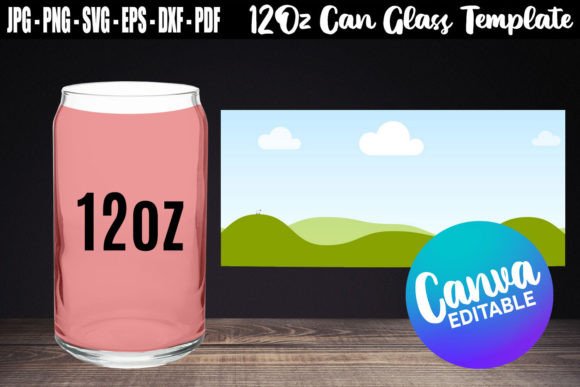
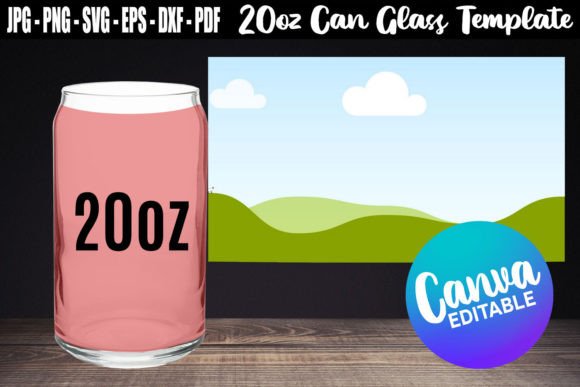
When I opened the 20oz Can Glass Canva Template SVG, my immediate thought wasn’t “cute” or “trendy”—it was “usable.” As someone who’s stitched hundreds of designs onto tote bags, baby onesies, and boutique aprons, I appreciate when a graphic feels purpose-built—not just for screen display, but for real-world embroidery. This template reads like a minimalist glass can silhouette: crisp edges, balanced negative space, and subtle contour lines that suggest transparency and weight without overcomplicating the shape. It doesn’t scream “summer party” or “craft fair novelty.” Instead, it leans into quiet confidence—ideal for small shop branding, personalized gifts with restraint, or modern kitchen towel sets sold on Etsy.
A Real-World Test: Stitching It Onto a Linen-Cotton Tea Towel
Last week, I used the 20oz Can Glass Canva Template SVG as the centerpiece for a set of embroidered tea towels for a local café’s holiday pop-up. I digitized it at 3.2" wide, added a light satin stitch border, and kept fill stitches open and breathable. The result? A clean, legible motif that held up beautifully on medium-weight linen-cotton blend—even after two rounds of commercial laundering. Customers commented on how “thoughtful” and “not-too-cutesy” it felt. That’s the strength of this design: it supports your brand voice instead of overriding it. It works equally well as a standalone embroidered patch or scaled down for a cap front—but only if you respect its structural simplicity.
Where It Shines (and Where It Needs Caution)
The 20oz Can Glass Canva Template SVG performs best when treated like a foundational design asset—not a standalone statement piece. Here’s where it delivers:
- Custom apparel: Crisp on sweatshirt cuffs, sleeve hems, or back necklines—especially on midweight fleece or French terry.
- Tote bag design: Scales cleanly to 4–5" without losing definition; looks intentional, not stretched.
- Embroidered patch: Works beautifully as an iron-on or sew-on motif for aprons or denim jackets—just keep satin stitch width consistent.
- Baby embroidery: Softens nicely on organic cotton onesies when digitized with lower stitch density and no sharp interior corners.
- Holiday embroidery: Paired with subtle metallic thread or muted sage/gold thread combos, it reads festive without being seasonal.
But proceed with awareness on:
- Stretchy fabric: Avoid tight knits unless you use cutaway + tear-away stabilizer combo and reduce pull compensation.
- Thin fabric: Skip lightweight rayon or voile—fill stitch density may cause puckering without proper backing.
- Curved surfaces: Caps and beanies require repositioning the design to avoid distortion—test hoop placement first.
- Dense stitch areas: The glass contour line is clean, but don’t add heavy shadow fills or layered applique unless you’ve tested thread build-up.
- Dark fabric: It reads well in white or ecru thread, but avoid ultra-fine outlines—they’ll vanish. Opt for 0.8mm+ satin borders.
Design Judgment: What This Says About Your Finished Product
Using the 20oz Can Glass Canva Template SVG subtly signals intentionality. It doesn’t distract—it invites closer look. On a handmade product, that translates to perceived value: customers associate clean silhouettes with craftsmanship, not mass production. For Etsy sellers, it elevates listings in mockups—especially when paired with neutral backgrounds and natural lighting. As a digital embroidery file, it supports consistency across product lines: same motif on a pillow cover, matching kitchen towel, and branded tote builds recognition without repetition fatigue. And because it’s rooted in real-world object language (a Libbey can), it feels grounded—not abstract or overly decorative—making it easier for buyers to imagine using it daily.
Practical Embroidery Designer Notes
Before stitching your first run, do these five things:
- Test on scrap fabric—same fiber content and weight as your final project.
- Check thread color contrast against both light and dark fabric swatches before digitizing.
- Review stitch density in your embroidery software: aim for 10–12k stitches max for most apparel uses.
- Confirm hoop size compatibility—the 8.5x11 sheet size suggests flexibility, but verify your machine’s max embroidery area.
- Use proper stabilizer: medium-cutaway for knits, tear-away for stable wovens, and fusible + tear-away for lightweight linens.
Also, remember: while the 20oz Can Glass Canva Template SVG includes formats for Silhouette, Cricut, and other cutting machines, this review focuses on its translation to machine embroidery design. If you’re planning commercial embroidery or selling finished items, confirm licensing terms directly—some Canva-based graphics carry usage restrictions for resale. When in doubt, treat it as a starting point: trace, simplify, or adapt the outline rather than stitching it raw from the SVG.
Final Thought: A Quiet Asset, Not a Loud Statement
The 20oz Can Glass Canva Template SVG won’t win awards for flashiness—and that’s its superpower. In a market saturated with overdesigned, pixel-heavy graphics, it offers clarity, versatility, and quiet professionalism. It fits seamlessly into craft business workflows, supports cohesive branding, and holds up under repeated wear and washing. Whether you're prepping for a holiday craft fair, launching a small shop product line, or designing custom embroidered patches for a client, this template earns its place in your library—not as a hero, but as a reliable supporting player. And in embroidery, that kind of consistency is rare, valuable, and deeply practical.